

Original price was: $29.99.$20.99Current price is: $20.99.
- Friendly, efficient service, always online.
- Safe and Secure Payments, Always
- There are quality problems, free return and exchange
- Where quality meets convenience.

Brightwell Blueberry – Heavy-Yielding, Southern Favorite
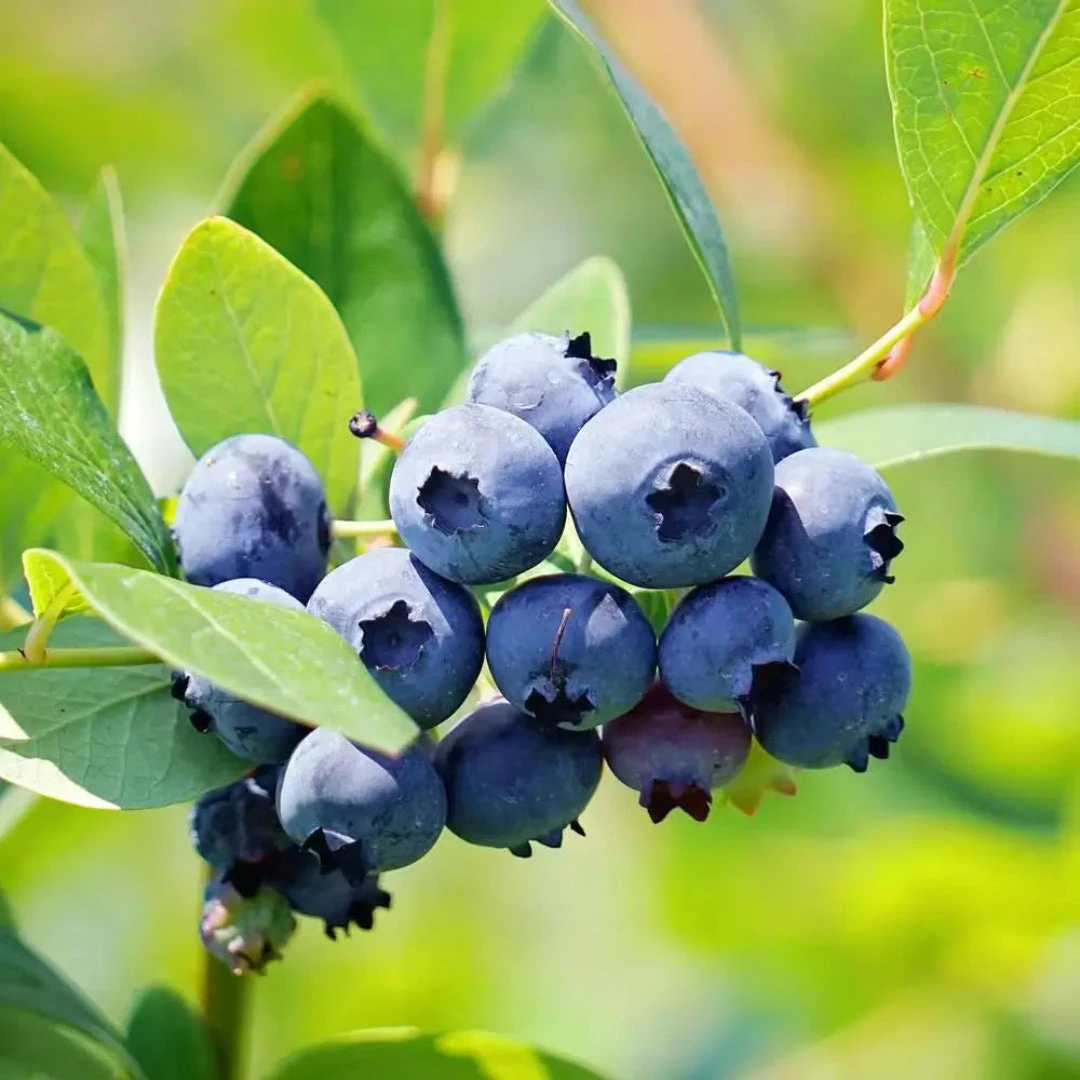
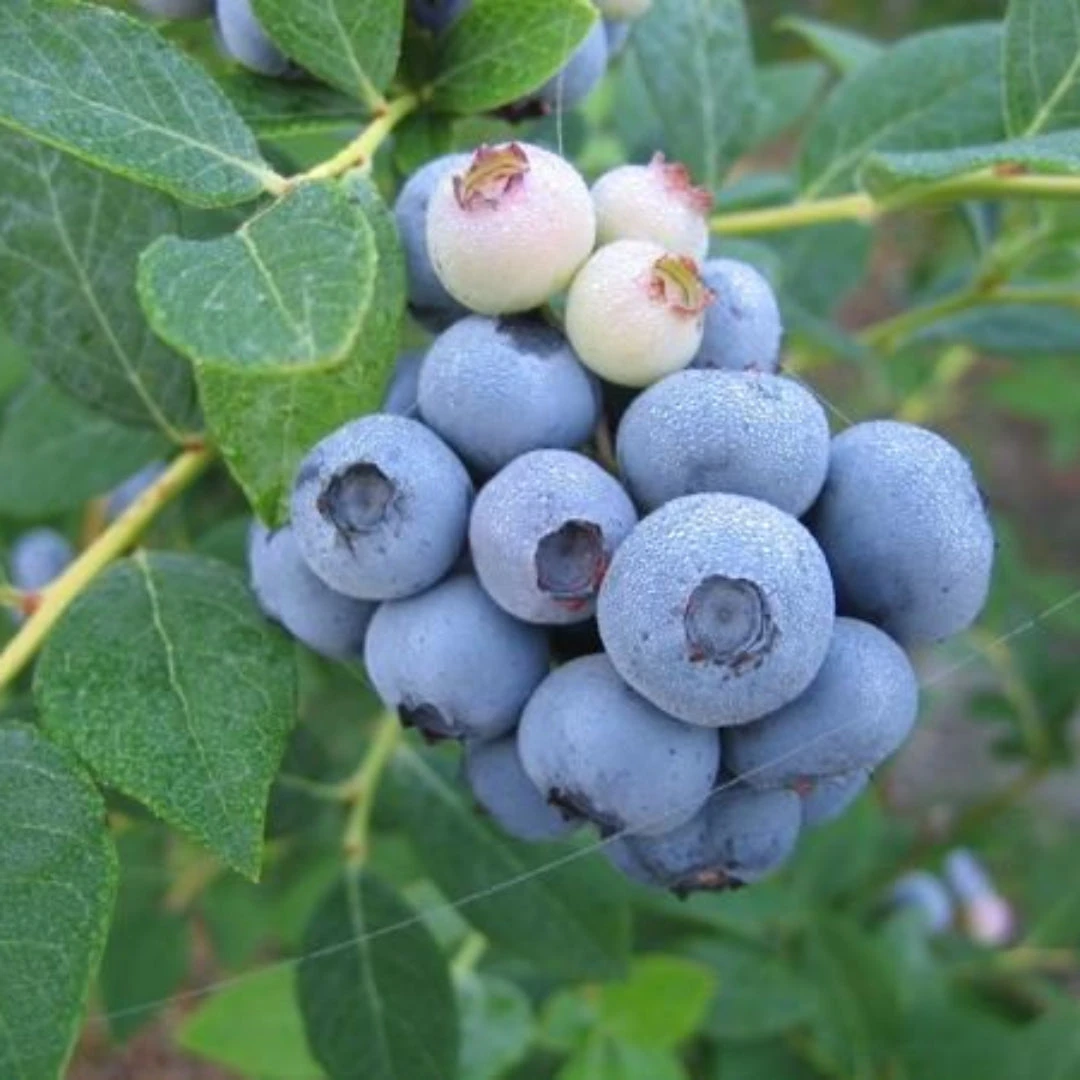
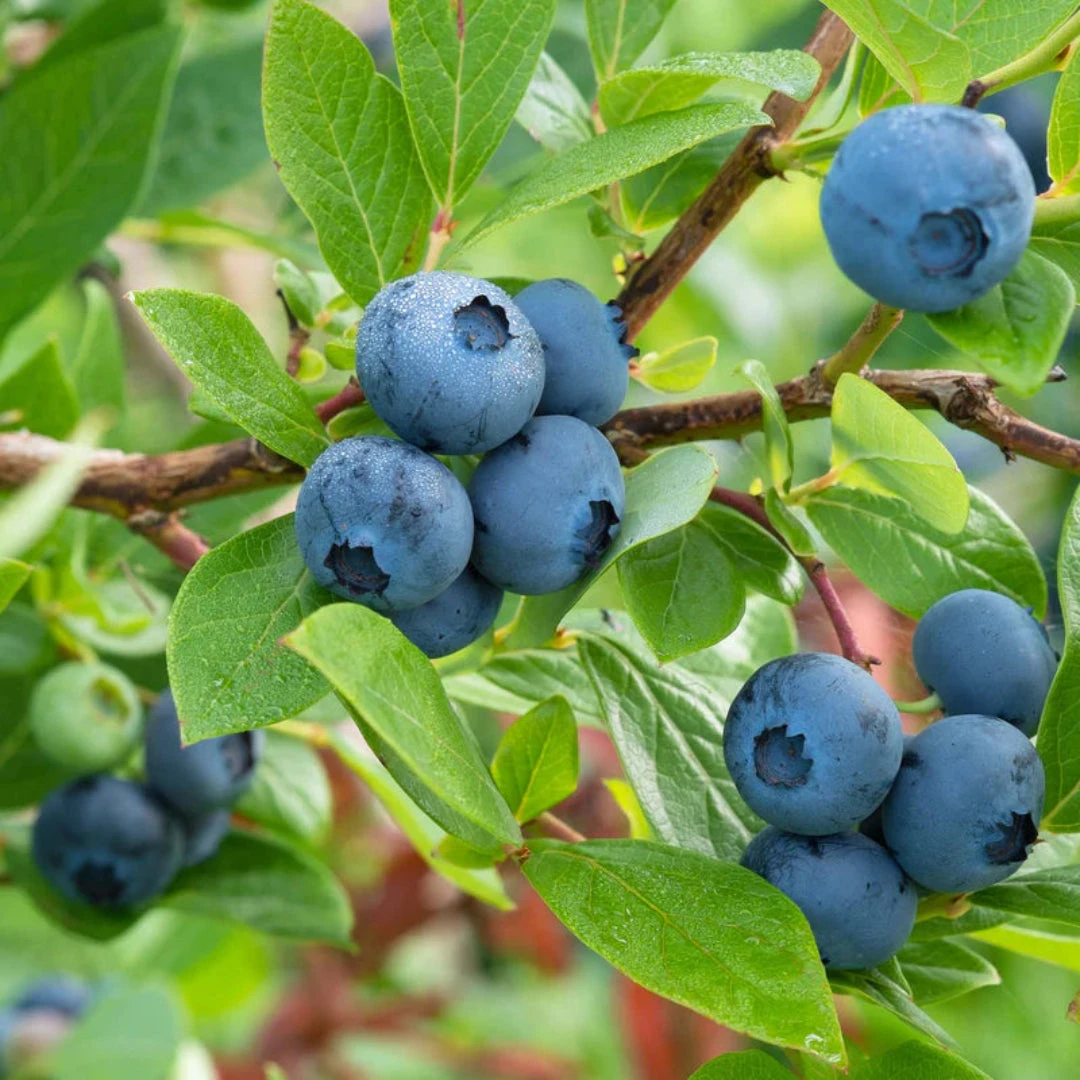
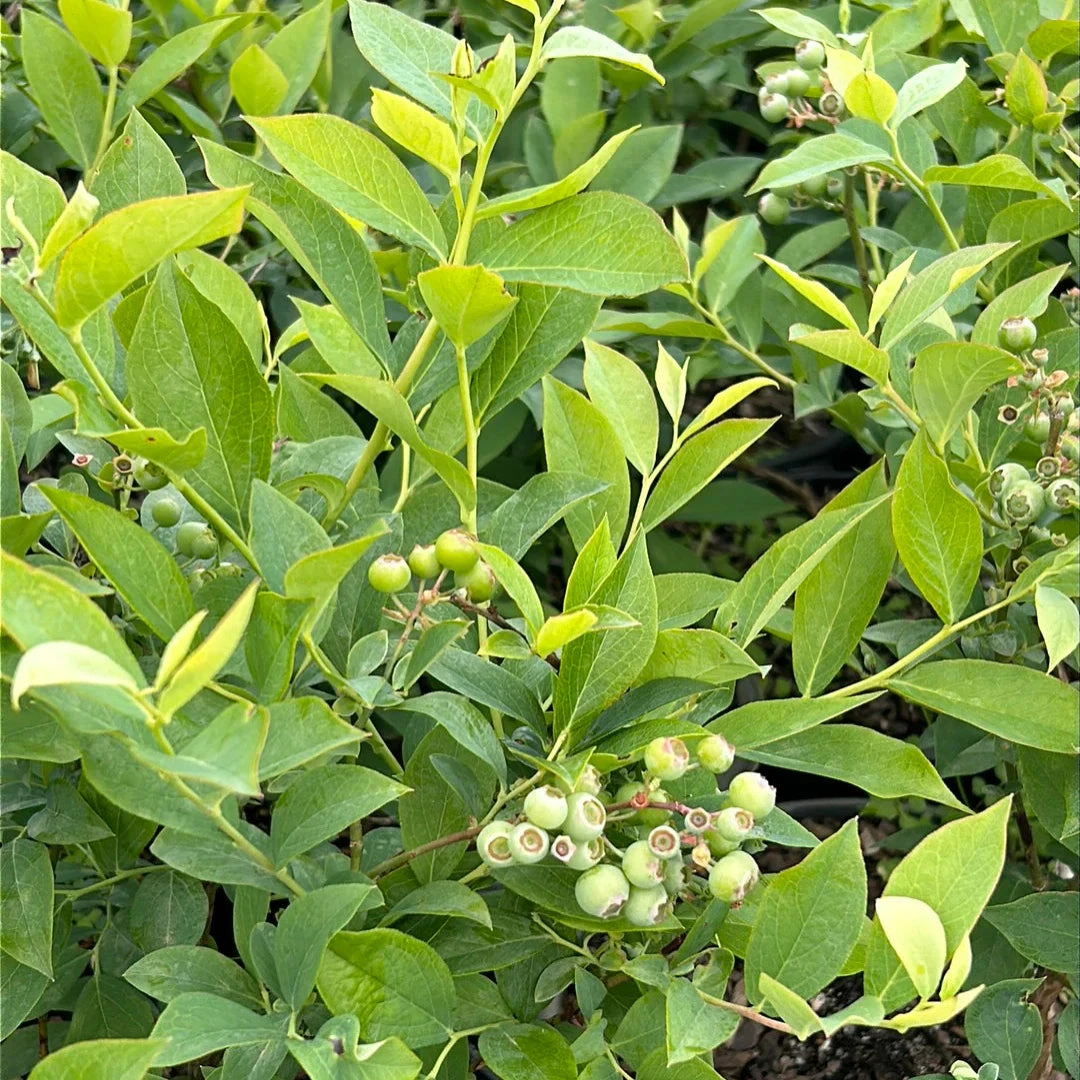
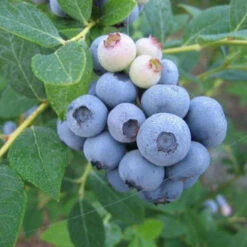
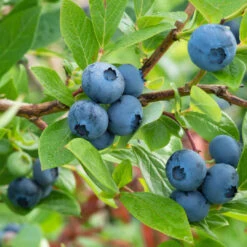
Brightwell Blueberry (Vaccinium ashei ‘Brightwell’) is a popular rabbiteye variety prized for its sweet, medium-to-large berries and vigorous growth. It produces heavy crops in mid-to-late summer and offers excellent heat and drought tolerance once established.
Also Known As (AKA):
- Southern Highbush Blueberry
- Late-Season Blueberry
- Self-Pollinating Blueberry
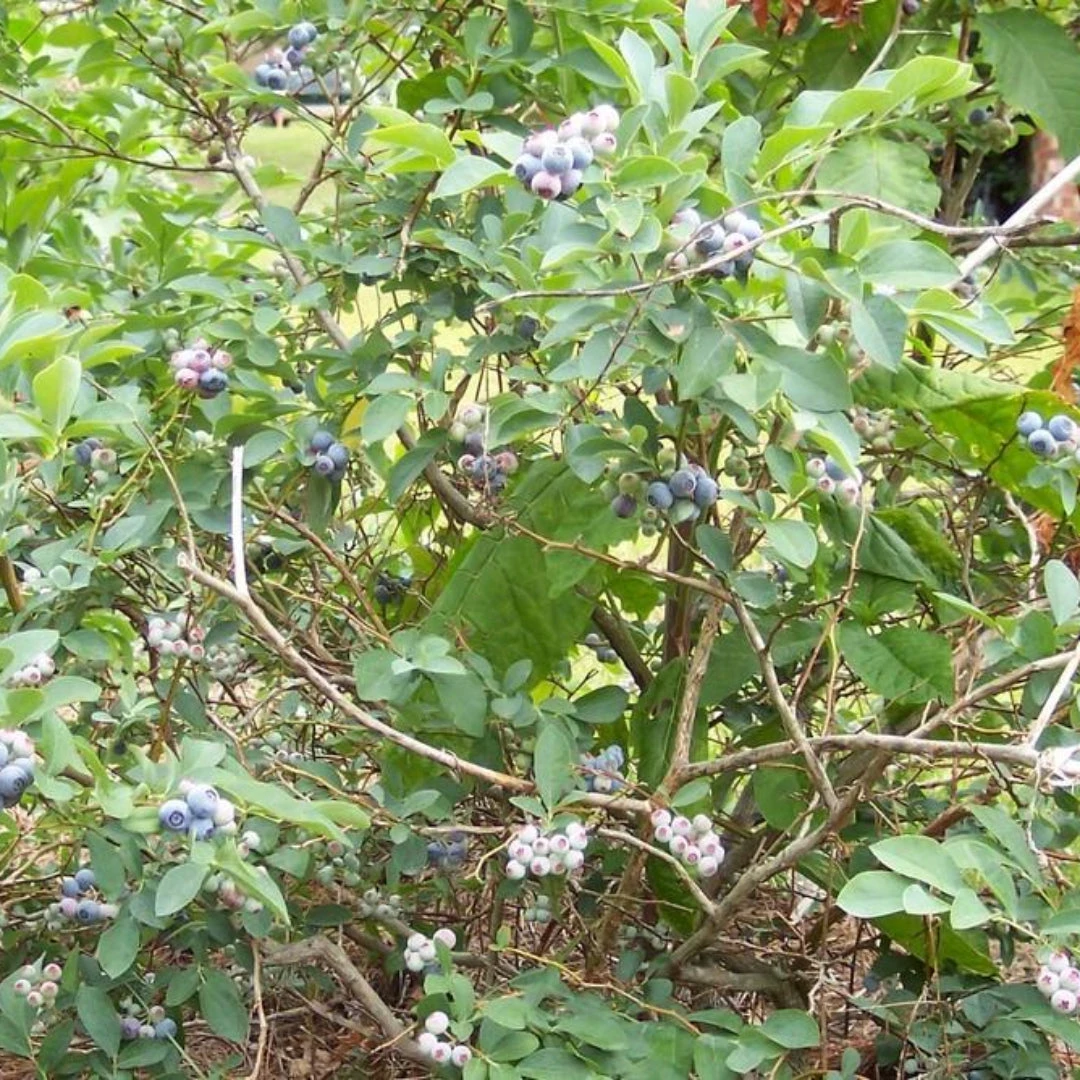
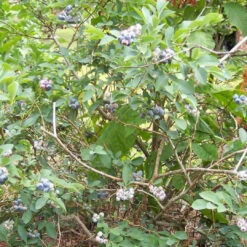
This upright shrub is self-fertile but yields best when planted with other rabbiteye types for cross-pollination. A beautiful and productive addition to edible landscapes, hedgerows, or berry gardens.
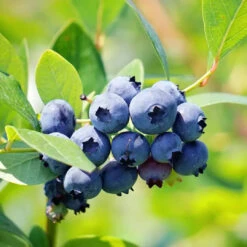
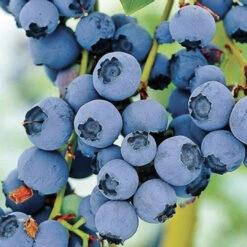
- 🫐 Abundant, sweet, firm blueberries
- ☀️ Thrives in full sun with well-drained, acidic soil
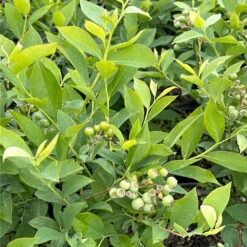
- 🌿 Upright growth and attractive foliage
- 🤝 Cross-pollinate with other rabbiteye types for bigger harvests
- 📏 Mature Size: 6–8 ft. tall, 6–8 ft. wide
- 🪴 Great for hedges, edible landscapes, or containers
Note: Brightwell is partially self-fertile but produces larger yields when planted with varieties like Tifblue or Powderblue.
Growing Zones: 7–9 outdoors

| Mature Height: | 6–8 ft. |
| Mature Width: | 6–8 ft. |
| Sunlight: | Full Sun |
| Botanical Name: | Vaccinium ashei ‘Brightwell’ |
| Growth Rate: | Fast |
| Harvest Time: | Mid to Late Summer |
| Type: | Deciduous Fruit Shrub (Rabbiteye Blueberry) |
FAQ’s
Does Brightwell need a pollinator?
It is self-fertile, but planting it with another rabbiteye variety like Tifblue increases yields significantly.
When will it produce fruit?
Brightwell typically produces fruit in mid-to-late summer, starting 1–2 years after planting.
Is it easy to grow?
Yes, it’s low-maintenance and grows well in acidic, well-draining soil with full sunlight.
Can it grow in a container?
Yes, choose a large pot with acidic potting mix and good drainage for best results.
Is it cold-hardy?
Brightwell is best suited for USDA Zones 7–9. Mulch and protect young plants from extreme cold.
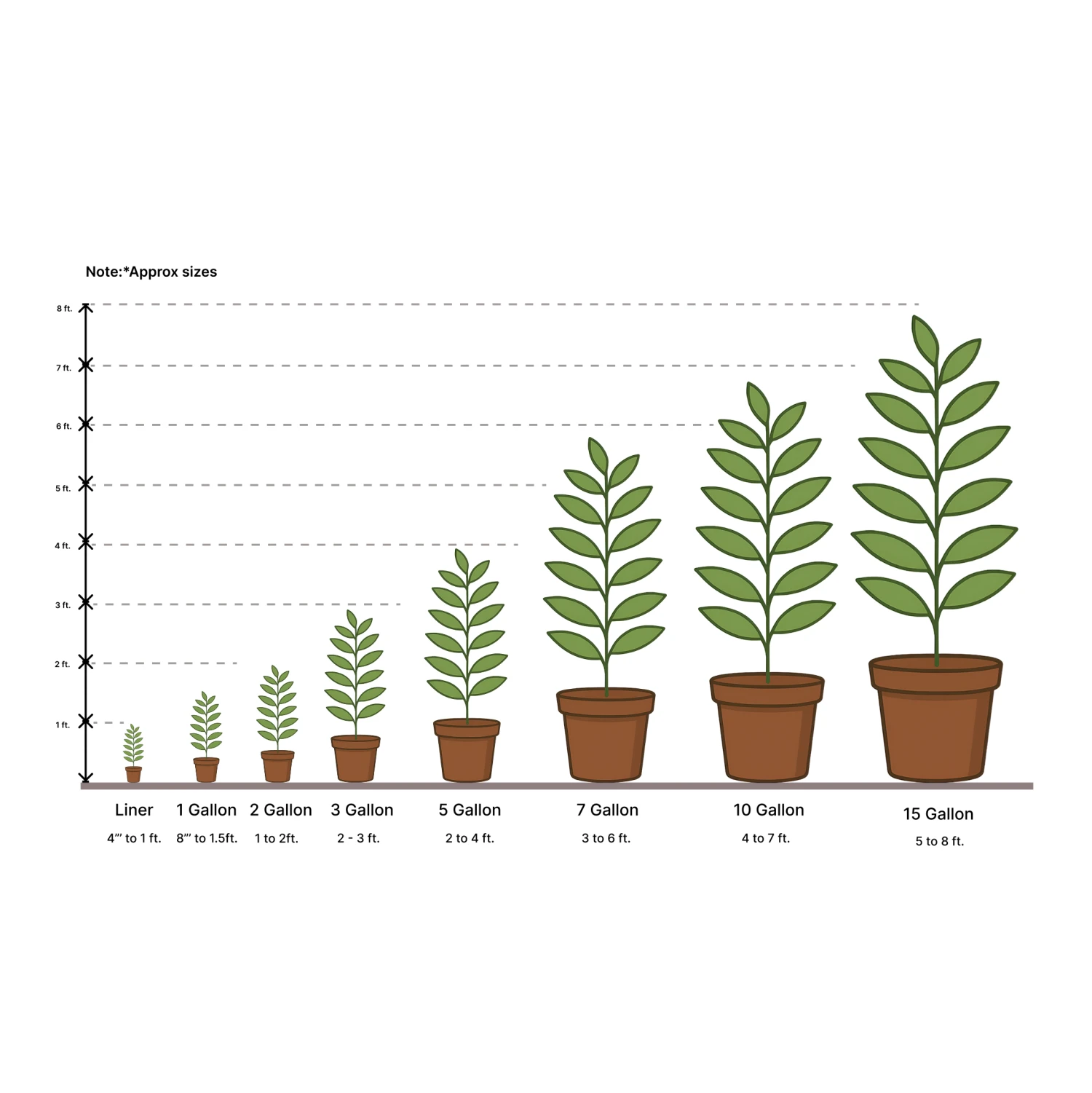
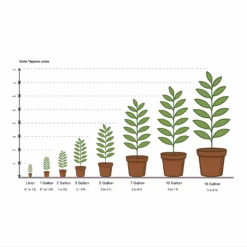
| Size | Liner/Starter, 1 Gallon, 2 Gallon, 3 Gallon, 5 Gallon |
|---|---|
| Type | Potted |
| Multipack | Single Plant, Set of 2 Plants |
Be the first to review “Brightwell Rabbiteye Blueberry Bush”
Related products
Flowering Plants

Shrubs
Sale
Shrubs

Holly
Shrubs
Shrubs
Reviews
There are no reviews yet.